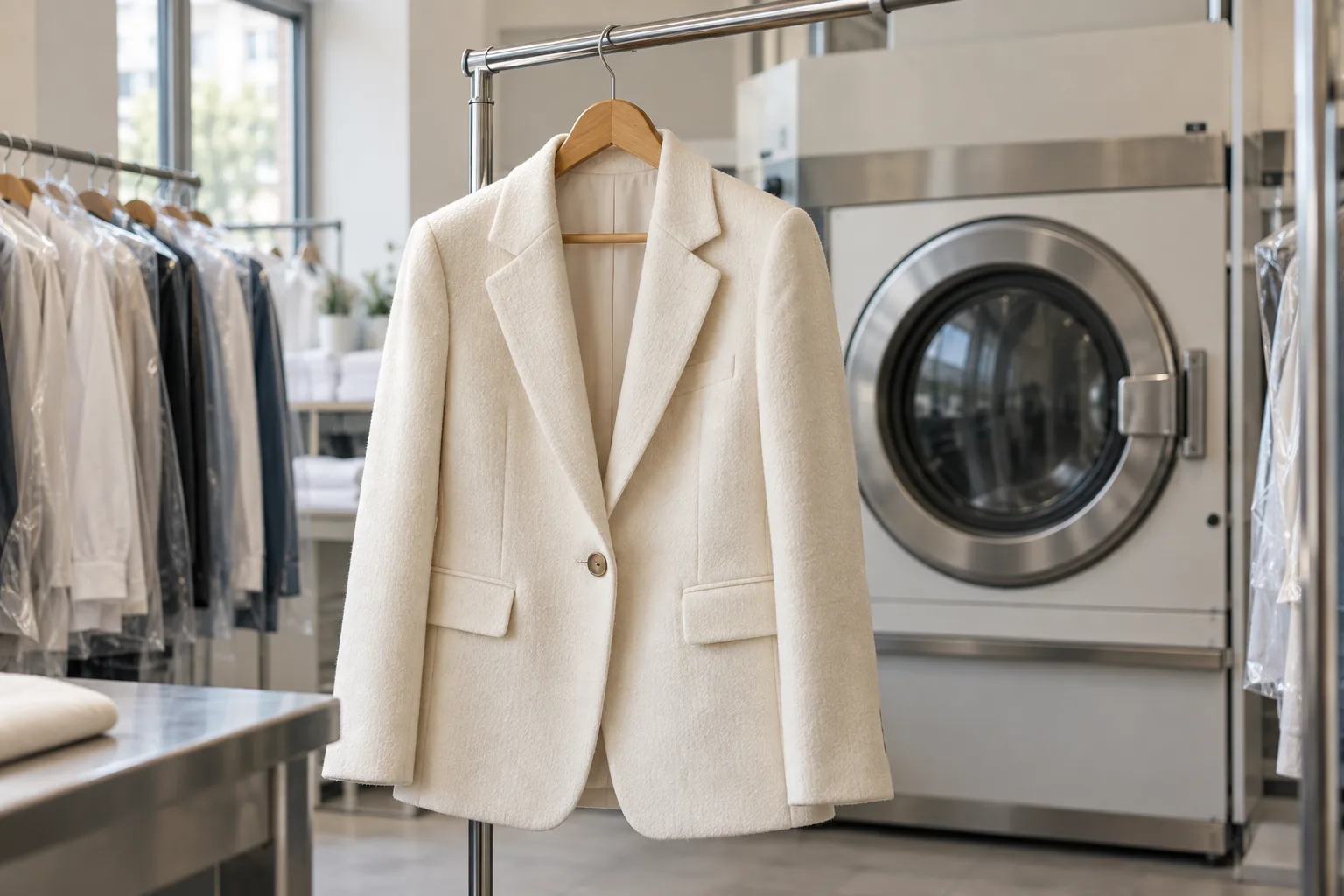
Does Dry Cleaning Really Use No Water?
“Dry” makes it sound as though your clothes never get wet. What actually happens inside a dry-cleaning machine is a little different.
TOPIC
Everyday questions, clearly explained.
“Dry” makes it sound as though your clothes never get wet. What actually happens inside a dry-cleaning machine is a little different.
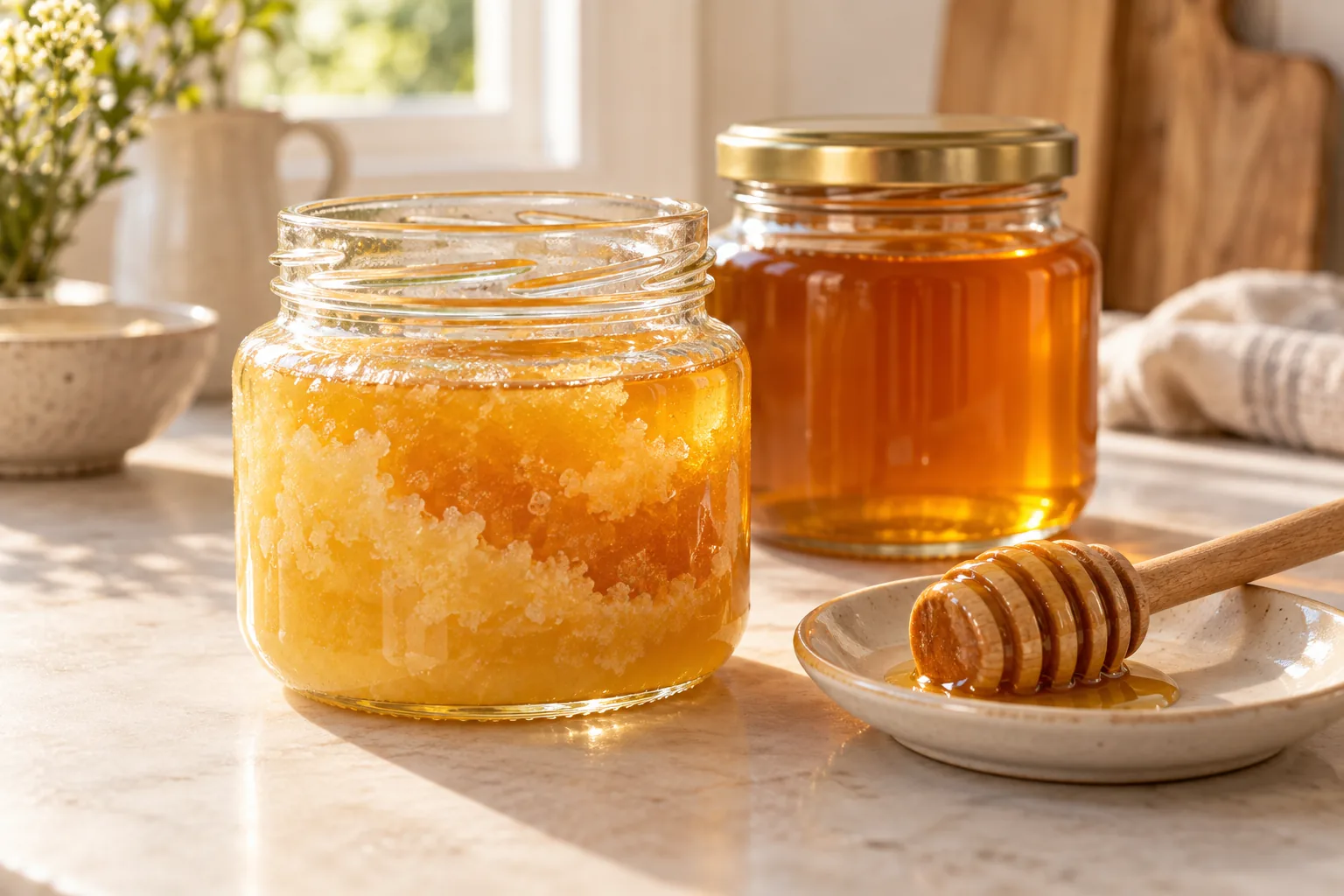
An old jar of honey may turn thick or grainy without spoiling. But the claim that honey lasts forever still comes with storage conditions.

That seven-year warning sounds convincing. But being indigestible and being stuck inside you are two very different things.
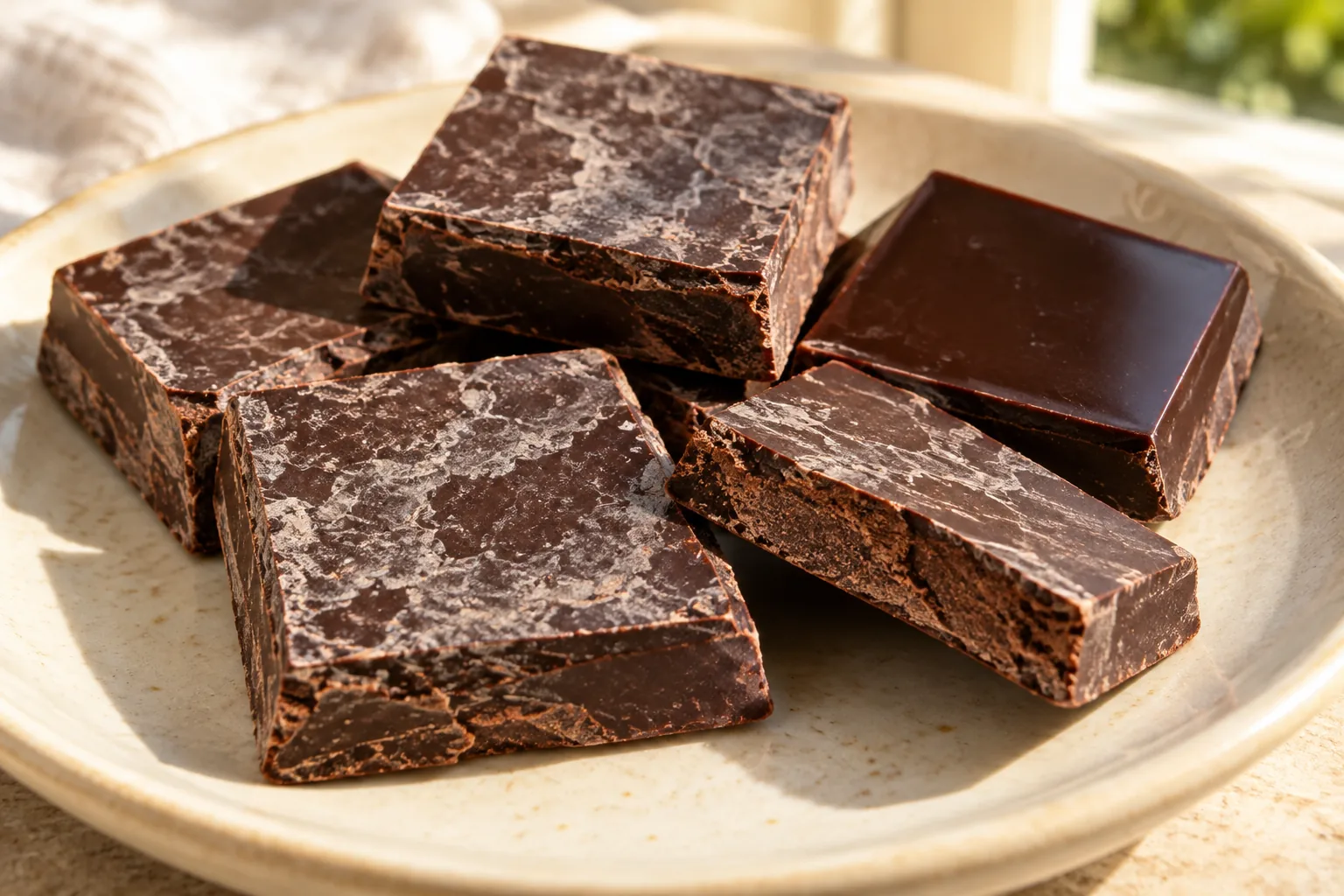
White patches on a chocolate bar can look worrying. They may come from its fat or sugar, but appearance alone cannot settle every food-safety question.
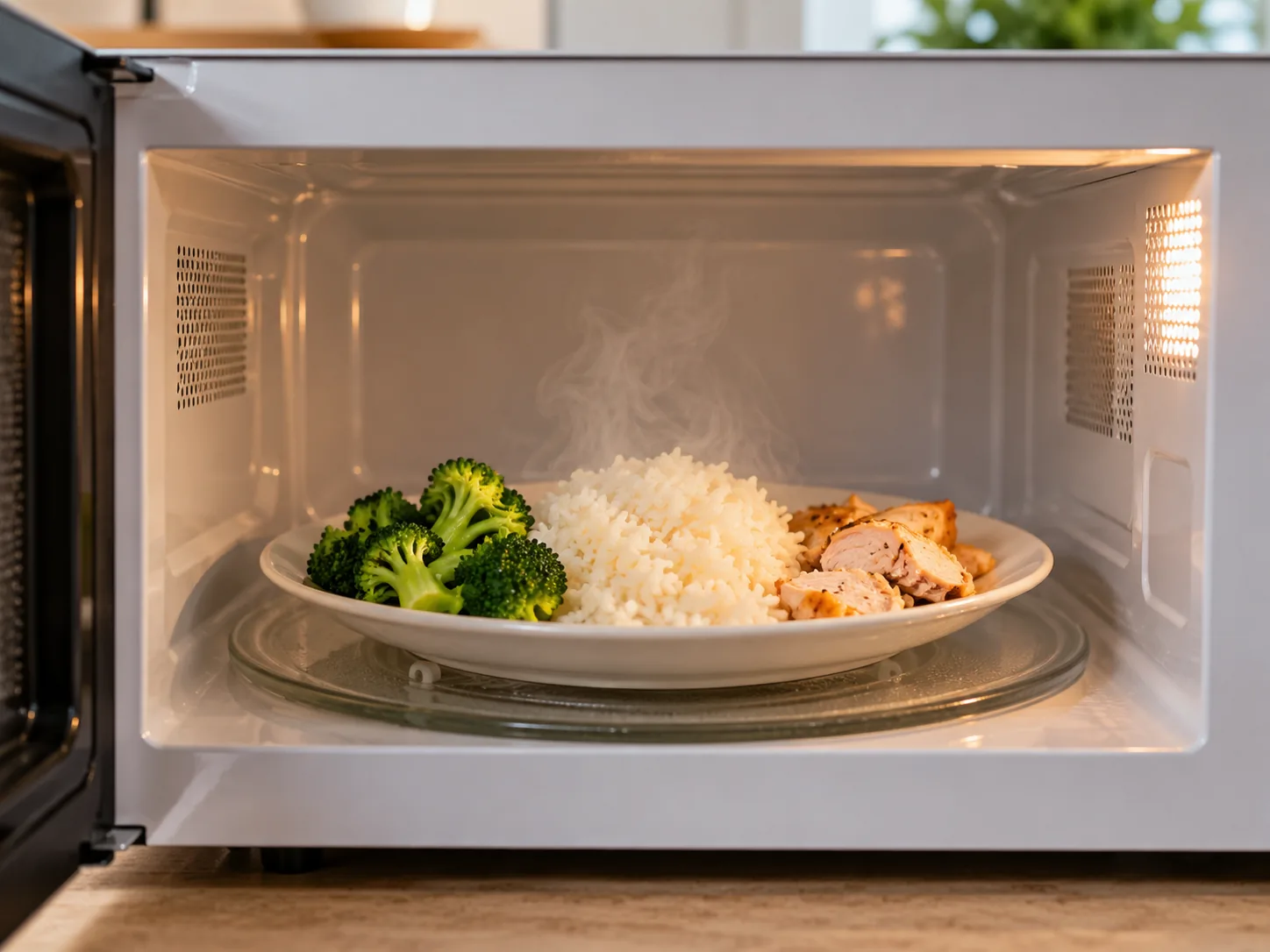
One bite is piping hot, the next is cold. A microwave’s hot and cold spots come from the way energy moves through food, along with the food’s shape, moisture, and position.
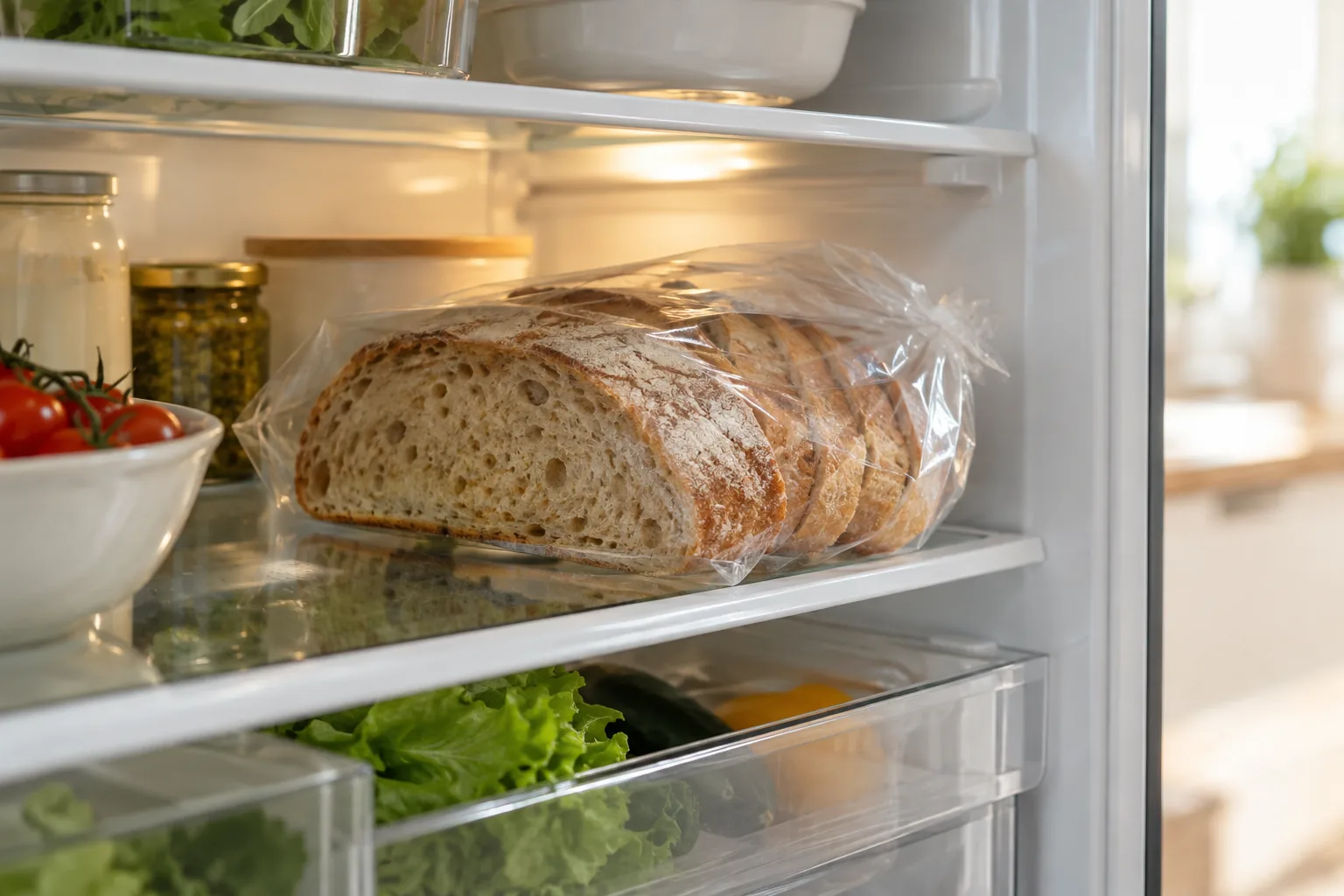
You refrigerate leftover bread to keep it fresh, then find it firmer the next day. Keeping mold away and keeping bread soft are two different jobs.
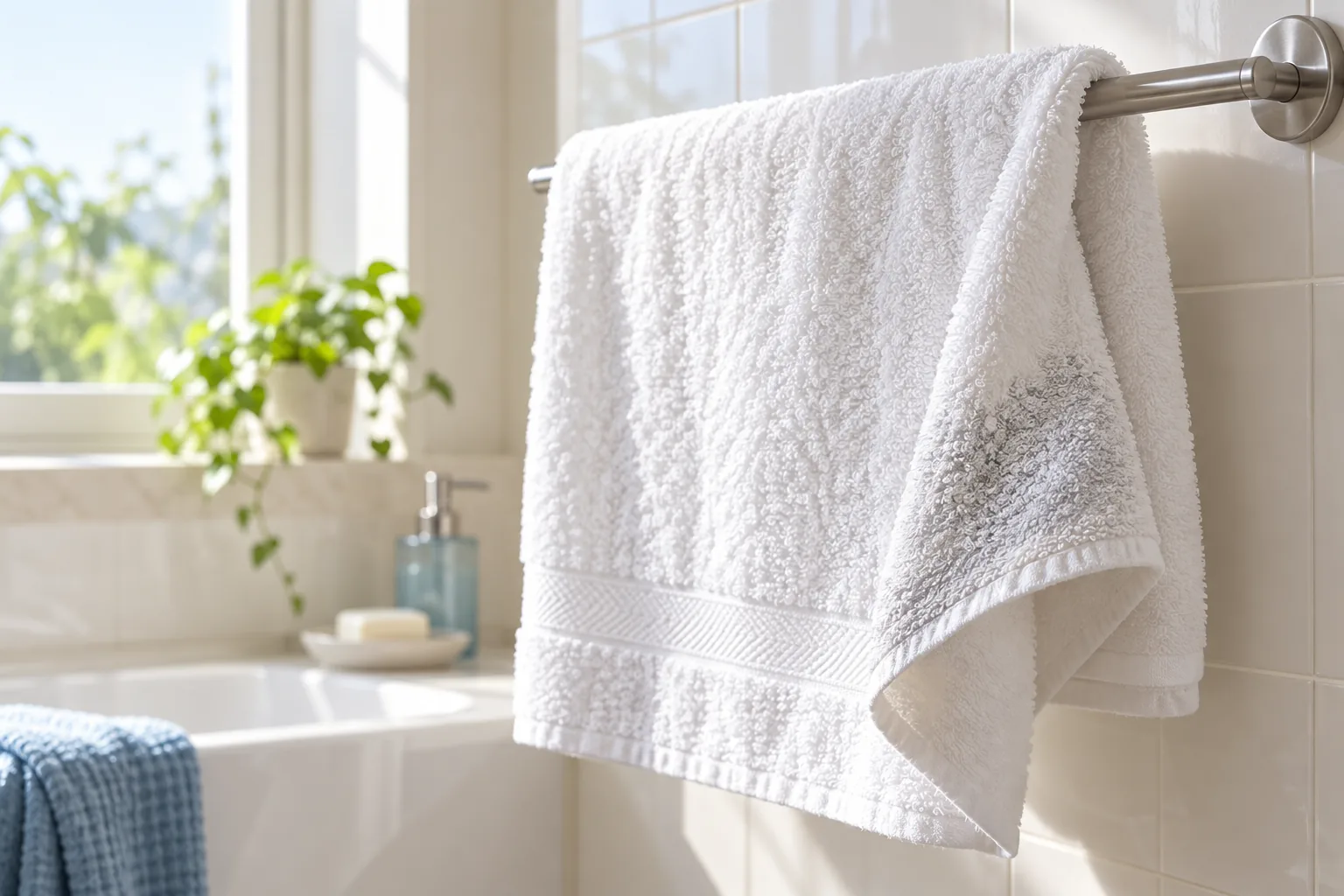
A towel can smell fresh after washing yet turn sour after a shower. Moisture can make lingering odor compounds and microbes in the fabric noticeable again. Here’s why it happens and how to prevent it.
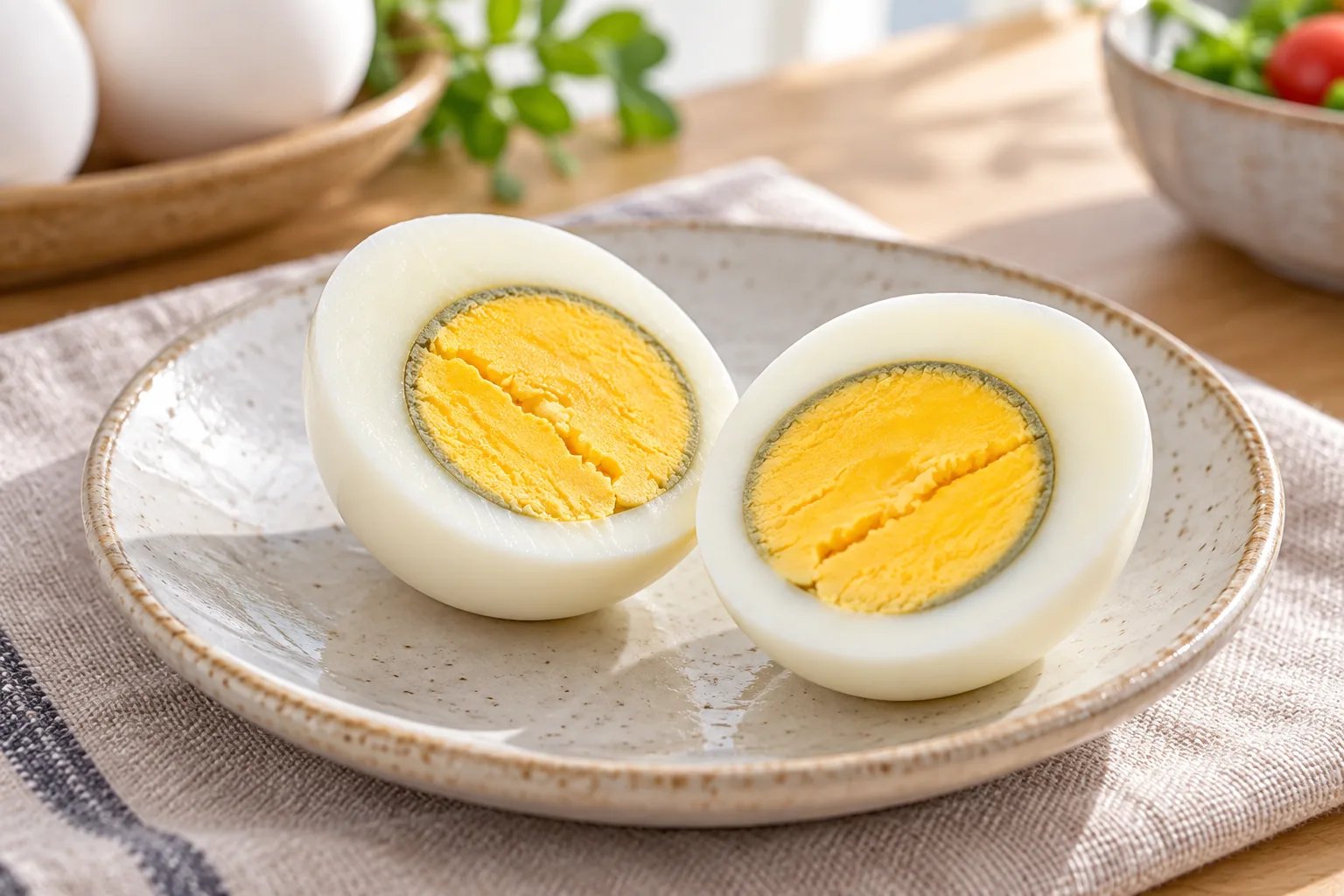
A gray-green ring around the yolk is usually linked to prolonged heating. Here’s what causes it and when you should look beyond color.
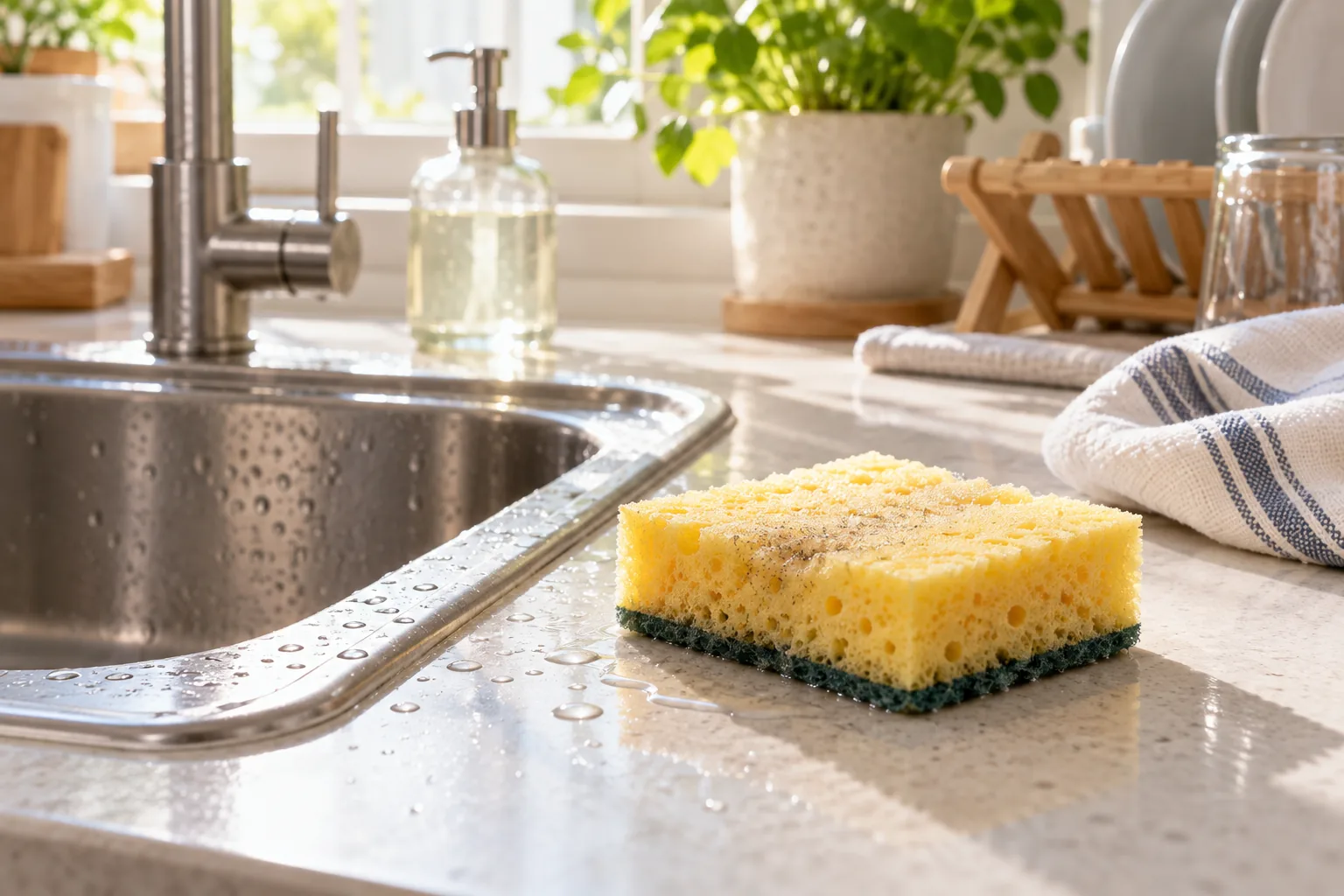
A sponge can hold food particles and moisture inside its many small openings. Rinsing helps, but drying and timely replacement matter too.
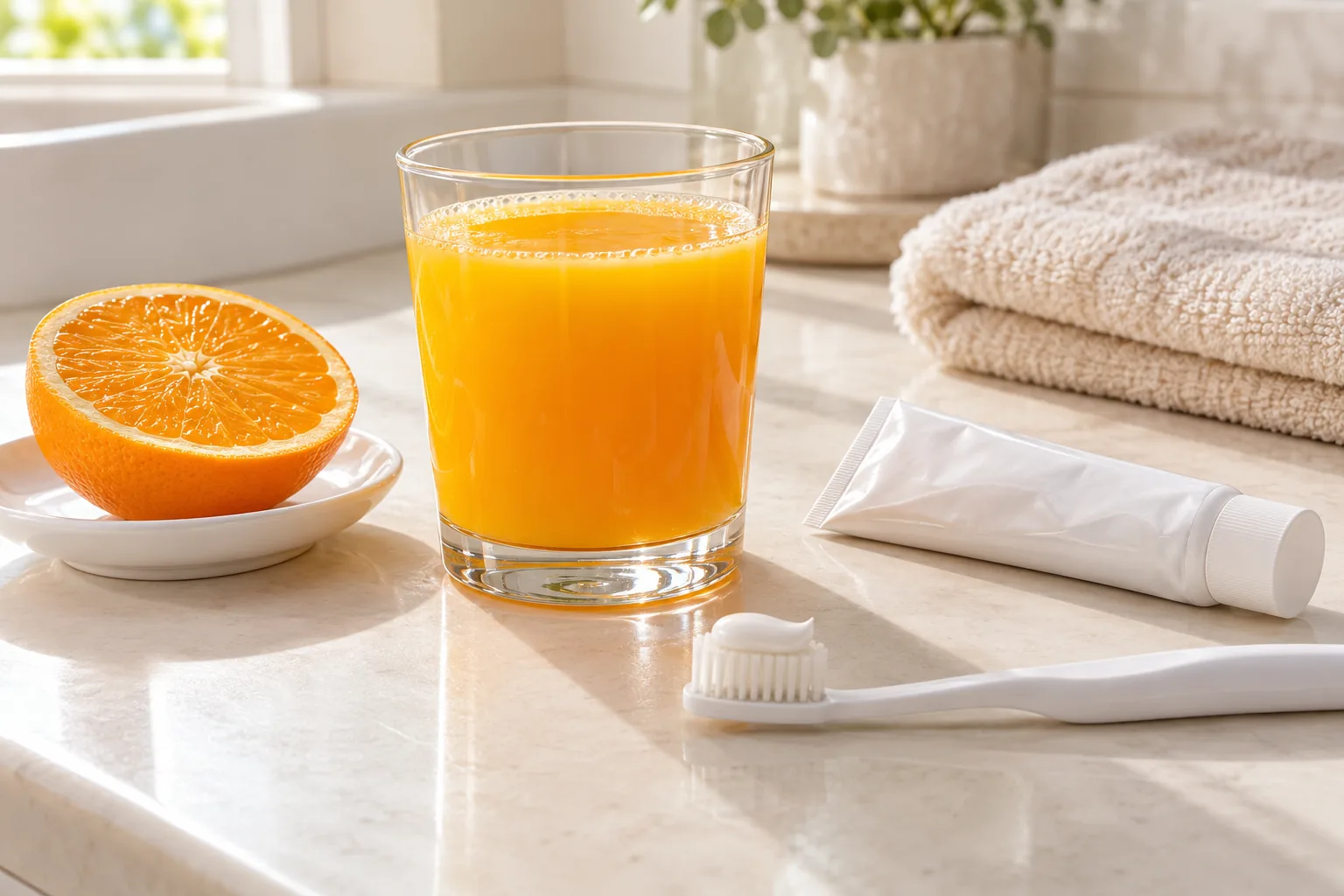
Your usual sweet orange juice suddenly tastes unpleasant after brushing. Has the drink changed, or has the way you perceive it shifted?