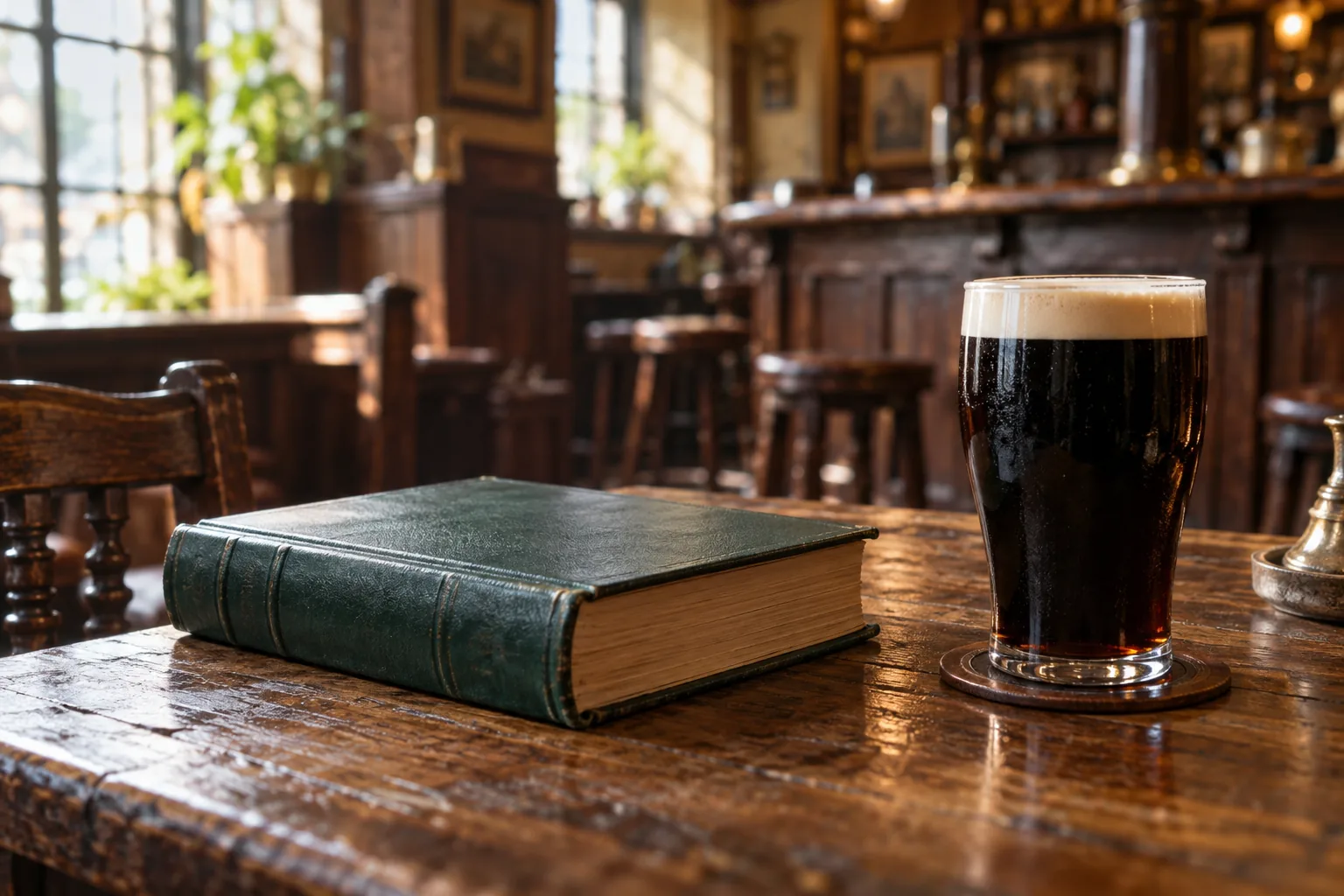
Guinness World Records is full of enormous things, fast things and unusual achievements. Guinness is also a name on a pint of stout. Is that a coincidence? Following the name takes us somewhere that might seem an unlikely starting point for a reference book: a pub.
The original question was surprisingly ordinary
According to Guinness World Records' official history, the idea came from Hugh Beaver, then managing director of the Guinness Brewery. At a shooting party in Ireland in the early 1950s, an argument arose over Europe's fastest game bird. Available reference books did not settle it.
Today, somebody would probably reach for a phone. Without a quick search, the most confident person in the room could seem to win. Beaver saw a use for a collection of reliable facts and figures that could settle similar pub arguments.
A promotional idea turned into a popular book
The official history says Beaver developed the Guinness promotional idea in 1954 and enlisted the fact-finding twins Norris and Ross McWhirter. It began as the work of assembling answers, rather than as a fully formed worldwide record-adjudication business.
Guinness World Records' account of the first book describes promotional copies distributed in pubs and growing demand that led to a retail edition. The first book appeared in 1955 and became popular in Britain that year.
The name is therefore not an accidental resemblance. The brewery and its promotional efforts genuinely belong to the book's origin. But the book was not named Guinness because its contents were about beer. It was meant to provide checkable answers to disputed facts.
An origin story is not a corporate structure
That historical link does not, by itself, establish that the brewery and today's record-certification organization operate as one company. A brand's origin and its present ownership are different questions. This story is about where the name came from.
Nor is the record book a brewery product manual. An original promotional purpose and a publication's later role can be very different. The book developed into a recognizable record brand covering remarkable things and achievements.
Is claiming to be the best enough?
The useful part is the standard of verification. Guinness World Records' criteria describe requirements such as measurable results, verification and clear standards. A subjective claim like “the tastiest beer” is different from a result that can be compared using an agreed measurement.
That helps explain the lasting appeal of a book born from arguments. Confidence alone does not settle a fact; how something was checked matters. The same problem remains after the invention of the search bar: different comparison rules can produce different answers.
The answer: the Guinness in the record book really does have a historical connection to the beer brand. A brewery executive's idea for settling pub arguments became a promotional record book. Between the pint and the publication was a simple impulse: let's find a way to check the answer.